From bio-based ambition to practical implementation
How can bio-based innovation move beyond promising project results and become part of real market and industry practice?
This question was at the heart of the “Bioeconomy 2030+ – from roadmap to implementation” event, organised with the involvement of the Circular Bio-based Europe Joint Undertaking (CBE JU). The event brought together voices from across the bioeconomy ecosystem to discuss how Europe can better connect strategic roadmaps, research outcomes and practical deployment.
Sharing project and industry perspectives
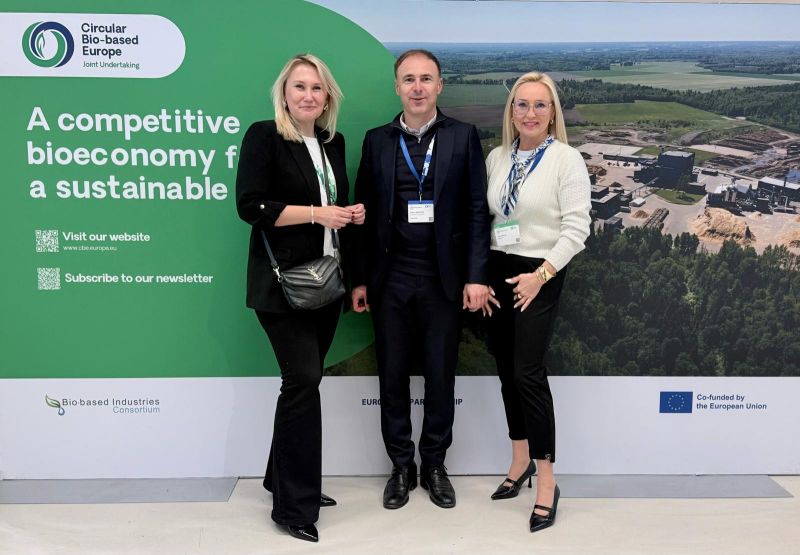
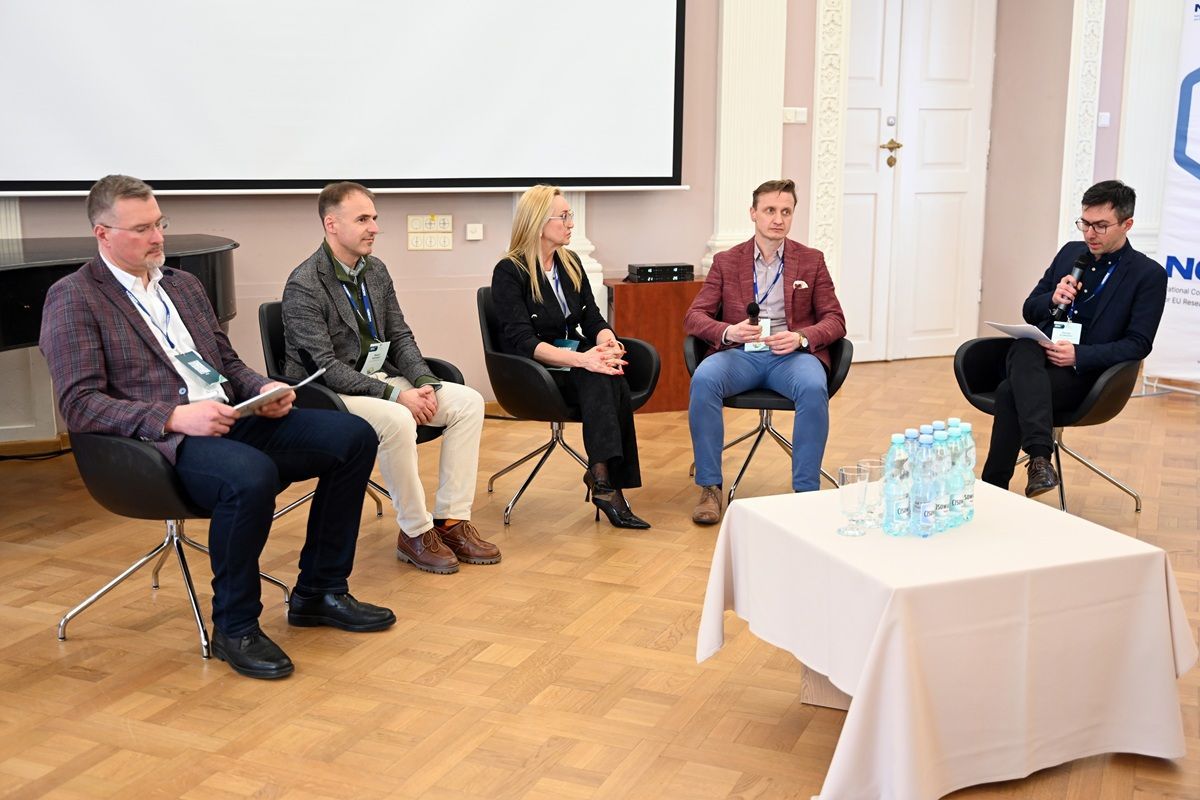
ECOFUNC was represented through the participation of Anna Bialik from Unimos Alliance and Robert Kocewicz from VestaEco, who took part in the panel discussion “Barriers and best practices related to the creation and implementation of bio-based solutions.”
Their contributions combined two complementary viewpoints: experience in project communication, stakeholder engagement and ecosystem building, together with an industry perspective on bio-based materials and their potential applications.
Addressing the gap between results and uptake
A key message from the discussion was clear: strong project results are only the beginning. For bio-based solutions to reach real users, they need continuity, collaboration and active engagement with stakeholders beyond the duration of a single project.
The conversation highlighted that long-term impact depends on keeping connections alive, between projects, industry, researchers, value chain actors and end users. This is especially important when innovative materials need to move from development and validation towards broader acceptance and implementation.
Supporting uptake through ECOFUNC
The ECOFUNC project contributes to this wider objective by supporting the development and uptake of innovative, sustainable bio-based solutions for the furniture sector.
By connecting research, industry and stakeholders across the value chain, ECOFUNC aims to help ensure that new materials are not only developed, but also better understood, discussed and prepared for future use.
Key messages from the panel
The panel discussion underlined several important points for the future of the European bioeconomy:
- long-term collaboration is essential to create lasting impact,
- industry engagement should continue beyond individual project lifecycles,
- stronger links between projects and stakeholders are needed to bring innovations closer to deployment,
- communication, networking and matchmaking can help maintain momentum between research results and real-world uptake.
Building continuity through collaboration
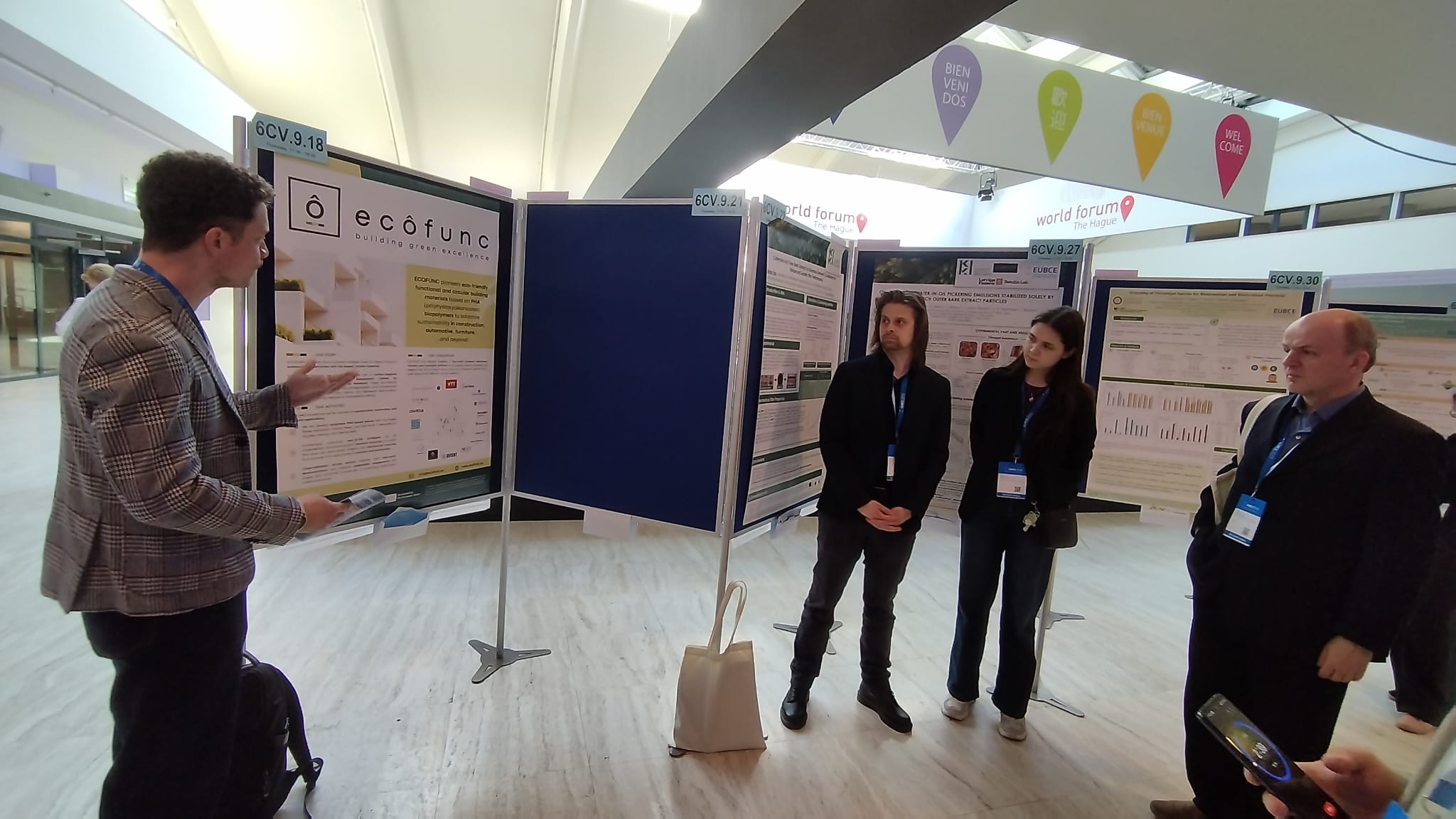
For ECOFUNC, participation in events such as Bioeconomy 2030+ is an important part of dissemination and stakeholder engagement. It creates opportunities to share project perspectives, learn from other initiatives and contribute to broader conversations on how bio-based solutions can move from vision to implementation.
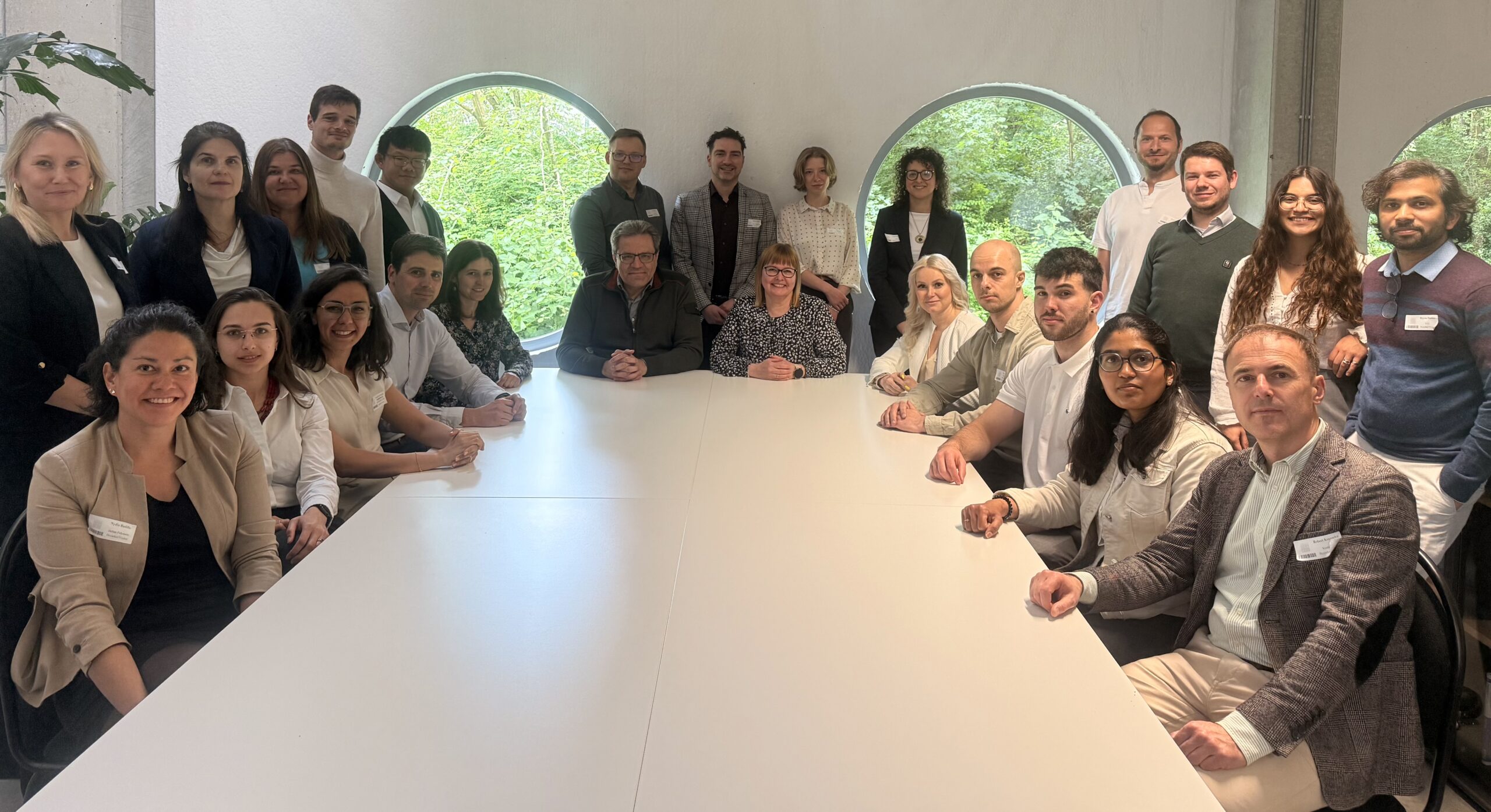
Thank you to all speakers, organisers and participants for a valuable and forward-looking discussion on the future of Europe’s bioeconomy.